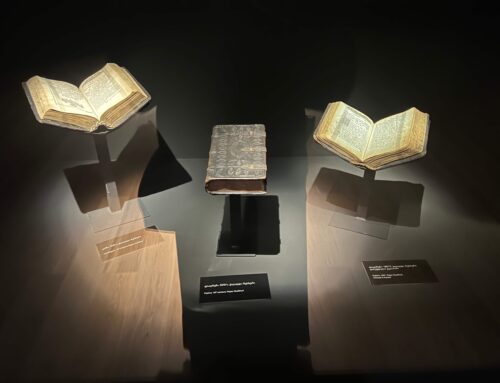

The project aims to conduct interdisciplinary research into Georgian ecclesiastical music using digital humanities methods. The object of study is the 10th-century manuscript known as the „Ieli Iadgari,” which preserves idiomela and theotokia notated with neume signs. This monument has been virtually unstudied from a musicological perspective, which defines its high research potential. The project draws on international research experience and incorporates tools for computer-aided analysis of neumatic notation — an innovative approach in Georgian musicology that contributes to the broader development of digital humanities.
With the aim of introducing digital technologies into the research process and ensuring the effective conduct of the project’s scholarly work, young researchers and 5 students from the university of chant will undergo training (a workshop on working with the software application Chant Editor and Analysis Program (CEAP) will be held). The participation of students and doctoral candidates in the project will enhance the research potential of young scholars; the project will promote the introduction of contemporary research standards in Georgian musicology and will establish a methodological foundation for future large-scale studies.
The project’s author and director, Prof. Tamar Chkheidze, extends special thanks to colleagues Prof. Emma Hornby and Mr. Paul Rouse. The experience gained through the University of Bristol research project Musical Rhetoric in Early Medieval Old Hispanic and Georgian Liturgical Chant: New Directions in Computer-Aided Comparative Analysis (https://research-information.bris.ac.uk/en/projects/musical-rhetoric-in-early-medieval-old-hispanic-and-georgian-litu/) will be applied in the present project to introduce innovative digital approaches to the study of neumatic notation, including the encoding of neume signs, analysis of melodic structures, and digital processing of data.